
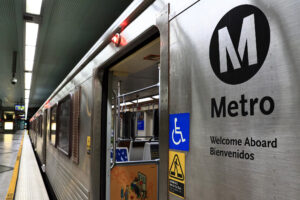
If you are injured on a Metro train, platform, or station in Hollywood, you generally have only six months to file a formal government claim before you can sue. That is far shorter than the two-year deadline for most California personal injury cases, and missing it can bar your recovery entirely. Thousands of people ride the Metro B Line through the Hollywood/Western, Hollywood/Vine, and Hollywood/Highland stations every day. When something goes wrong, Pilavjian Law helps injured riders meet strict deadlines and build claims against public transit agencies.
Why Is There a Six-Month Deadline for Metro Accident Claims?
The Los Angeles County Metropolitan Transportation Authority is a public entity. Under the California Government Claims Act, anyone seeking money damages for a personal injury caused by a public entity must first present a written claim to that agency. Government Code Section 911.2 requires personal injury claims to be presented within six months of the incident.
This process gives public agencies a chance to investigate and settle claims before litigation. For injured riders, it means acting quickly is not optional.
What Happens After the Claim Is Filed?
Once your claim is submitted, the agency generally has 45 days to accept or reject it. The timeline then depends on the response:
- If the claim is rejected in writing: You typically have six months from the date the rejection notice was mailed or delivered to file a lawsuit.
- If the agency does not respond: The claim is treated as rejected, and a longer deadline may apply.
- If the claim was never filed on time: You may be able to apply for permission to file a late claim, but that request must be made within one year and is not guaranteed.
Each step has technical requirements, and small errors in a claim form can create serious problems later.
What Types of Metro Accidents Lead to Injury Claims?
Metro rail injuries in Hollywood can happen on trains, platforms, escalators, and station entrances. Common incidents include:
- Sudden stops or jolts that throw standing passengers
- Train doors closing on riders
- Falls caused by wet floors, uneven surfaces, or poor lighting
- Escalator and elevator malfunctions
- Gaps between the platform and train
- Assaults linked to inadequate station security
Some of these cases resemble premises accidents, while others involve operator error or equipment failure. Contractors responsible for maintenance or security may also share liability.
What Evidence Should Be Preserved After a Metro Accident?
Transit agencies control much of the evidence in these cases, which is why early action is critical. Important evidence includes:
- Station and onboard surveillance video
- Train operator logs and maintenance records
- Incident reports filed with Metro staff
- Photos of the scene and hazardous conditions
- Witness contact information
- Medical records showing your injuries
Surveillance footage may be overwritten if no one requests it promptly. Our team sends preservation requests quickly and identifies every potentially responsible party. Learn more on our California train and metro rail accidents page.
What Compensation Can Injured Metro Riders Recover?
Injured passengers may recover medical expenses, future treatment costs, lost income, reduced earning capacity, and pain and suffering. Families who lose a loved one in a transit accident may also have a wrongful death claim, which is subject to the same government claim requirements.
Talk to a Hollywood Metro Accident Attorney Before Time Runs Out
The six-month deadline moves fast, especially while you are focused on recovery. Pilavjian Law handles the government claim process, preserves critical evidence, and fights for fair compensation from transit authorities. There is no fee unless we win. Call (818) 380-3021 or contact us online today for a free, no-obligation consultation.